


Tower of Belém

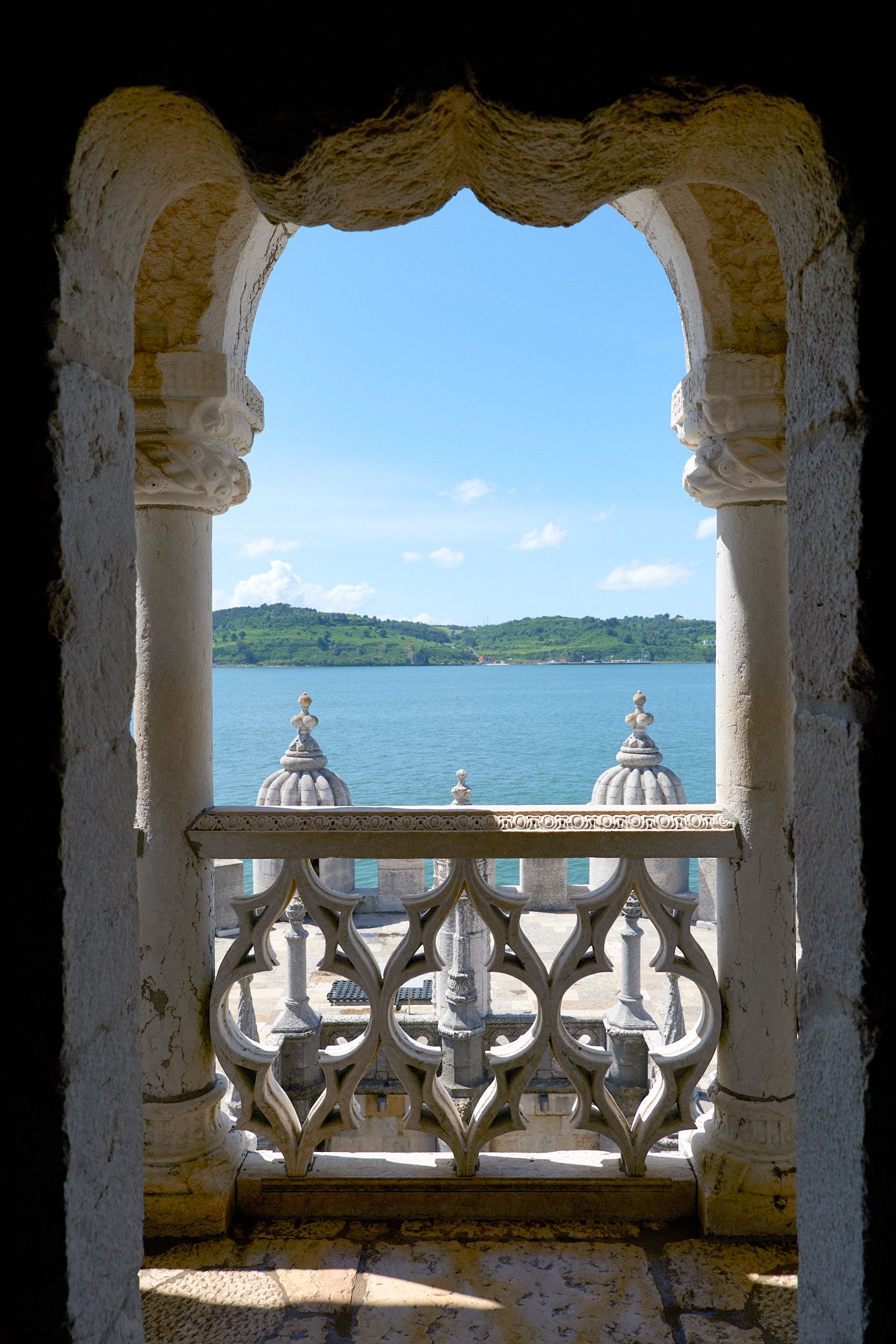
Since the Middle Ages, the Tagus, a river that is navigable over much of its course, has steadily grown in importance as a waterway, particularly for short- and long-distance trade.
It was with the consolidation of Portuguese expansion into North Africa and along the West African coast that Lisbon experienced an exponential growth, becoming, within just a few decades, one of Europe’s largest cities and the continent’s most important port for long-distance navigation. The most coveted goods from distant and exotic lands arrived in Lisbon: spices, porcelain, silk, ivory and precious stones, furniture and other valuable commodities. Naturally, the city also welcomed merchants, travellers, artists and craftsmen, as well as adventurers from across Europe.
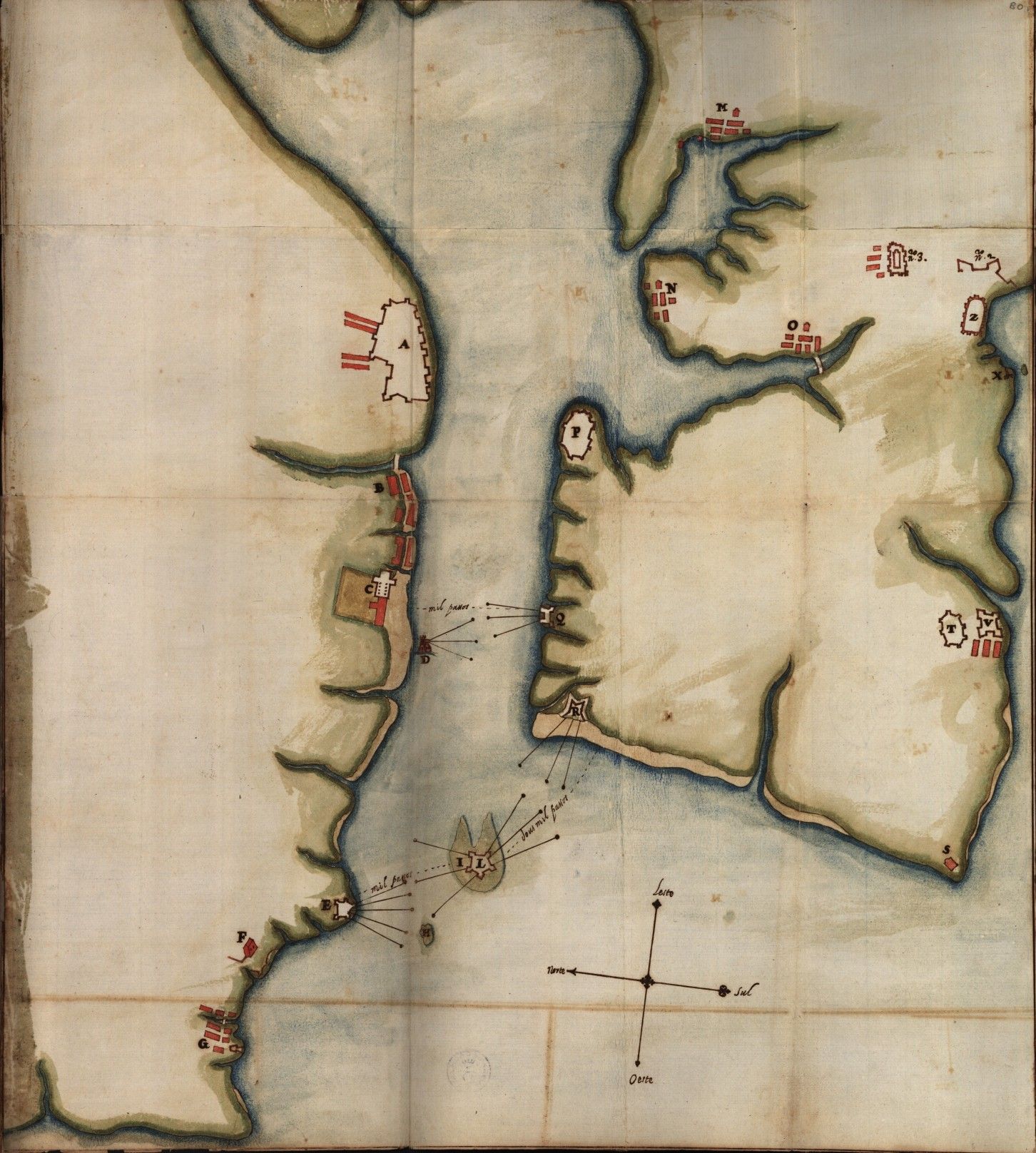
With the accumulation of wealth, together with the river’s growing strategic importance, the city and its surrounding areas became increasingly attractive targets for privateers. From the late fifteenth century onwards, at the initiative of King João II, priority began to be given to the establishment of an integrated defensive system encompassing the so-called “bar” of the Tagus estuary — stretching from the distant yet strategically located town of Cascais, already facing the open ocean, to the narrowest section of the river, between the northern shores of Belém/Restelo and the southern bank at Almada, near Porto Brandão.
A comprehensive defensive system was subsequently established, comprising a network of fortifications providing artillery coverage and representing, for the period, a significant technological advance.
THE DEFENCE OF THE TAGUS
At the beginning of the Early Modern Period, with the emergence of gunpowder artillery, medieval fortifications gradually began to lose their effectiveness. The castle was progressively superseded by the modern fortress.
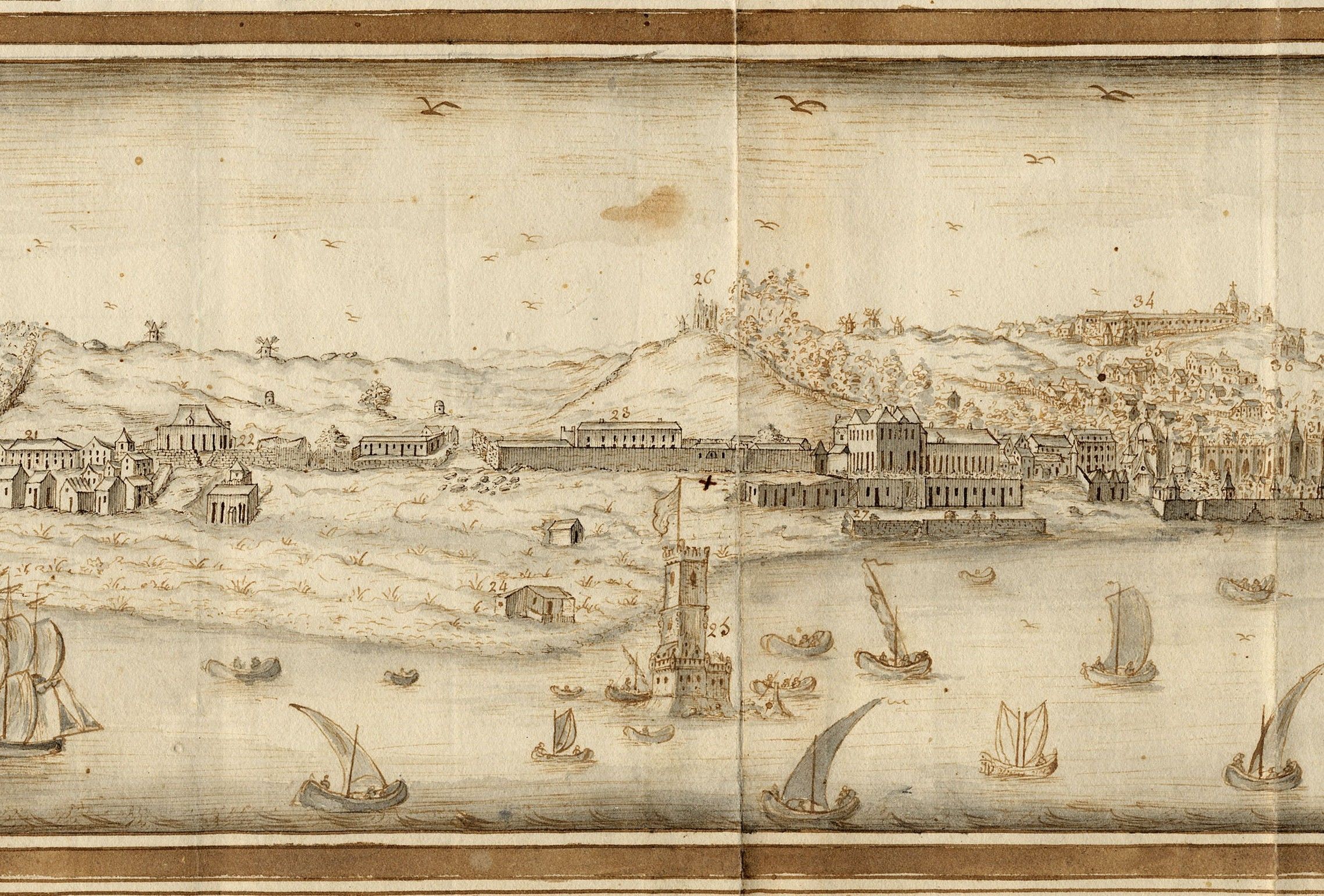
The construction of the fortified, bastioned Tower of Belém followed a rational strategy for defending the entrance to Lisbon through the Tagus bar. The initiative was taken by King João II and subsequently continued by King Manuel I, who provided the human and material resources necessary for its development. The original project envisaged an integrated defensive system comprising three fixed positions: the Fortress of Cascais, the Torre Velha on the southern bank, and a fortified battery on the site where the Tower of São Vicente, or Tower of Belém, was later built. Equipped with powerful bombards, their overlapping fields of fire formed a formidable obstacle to any enemy vessel attempting to force its way through the bar.
As artillery developed and became increasingly diversified in response to strategic and tactical requirements, a new type of vessel designed for open-sea warfare emerged: the galleon. Its appearance coincided with the construction of the Tower of Belém, during the second decade of the sixteenth century. A 1,000-ton vessel equipped with numerous gun ports was subsequently built, thereby complementing the defensive system. Anchored in the middle of the Tagus, the Botafogo provided additional support to the river’s defensive line.
Caravels were also built and equipped with large bombards capable of firing ricochet shots — a technique that was unprecedented at the time — and were kept ready and positioned to intervene whenever necessary.
This proved to be a highly effective plan, as for a period of 30 to 40 years there were no recorded complaints from local populations, who had previously been subjected to raids and plundering by privateers from North Africa and Northern Europe. This innovative and pioneering defensive system was subsequently replicated throughout the Portuguese Empire during the sixteenth century, particularly in the East.
Images and Photographs
1 — © Photograph: Nuno Cera / Mosteiro dos Jerónimos 2 — Tower of Belém (detail), in Vista e perspectiva da Barra Costa e Cidade de Lisboa Capitale do Reino de Portugal, Situada na borda do Rio Tejo [...], Bernardo de Caula, 1st Lieutenant of Artillery of the Algarve — 1763 3 — The Defence of the Tagus and the City of Lisbon — Tower of Belém (D), Cadaval Codex
VISIT
Visit the Belém Tower from Tuesday to Sunday, from 9.30 am to 5.30 pm (last admission at 5.00 pm). A UNESCO World Heritage Site, it is an architectural icon of the reign of King Manuel I, from a time when Portugal was establishing itself as a global power.
Visit→